The Miracle of Melbourne: How an Injured Kapil Dev Defended 143 at the MCG in 1981
4 November 2026 · 8 min read · The Pavilion
On the morning of February 11, 1981, the Melbourne Cricket Ground felt less like the cathedral of Australian sport and more like an open-air triage unit for the touring Indians. Sunil Gavaskar’s side had endured a grueling, fractious tour. Trailing 1-0 after a heavy defeat in Sydney and an arduous rearguard draw in Adelaide, India arrived at the final morning of the third Test needing to defend a microscopic target of 143 runs to salvage a series draw.
Australia were already 24 for 3 overnight, but India's bowling reserves were in tatters. Left-arm spinner Dilip Doshi was hobbling on an agonisingly fractured bone in his left foot. Off-spinner Shivlal Yadav was sidelined altogether with a broken toe courtesy of a vicious Len Pascoe bouncer. Worse still, their twenty-two-year-old spearhead, Kapil Dev, had suffered a severe groin tear during Australia's first innings. Medical logic dictated that Kapil should have been confined to complete rest, not lacing up bowling boots against Greg Chappell’s men on an uneven fifth-day deck.
Yet what unfolded across ninety unforgettable minutes remains one of the purest masterclasses of grit, biomechanical defiance, and fast-bowling theatre the game has ever witnessed. Defending 143 was an improbable fantasy; doing so on one working leg was an outright miracle.
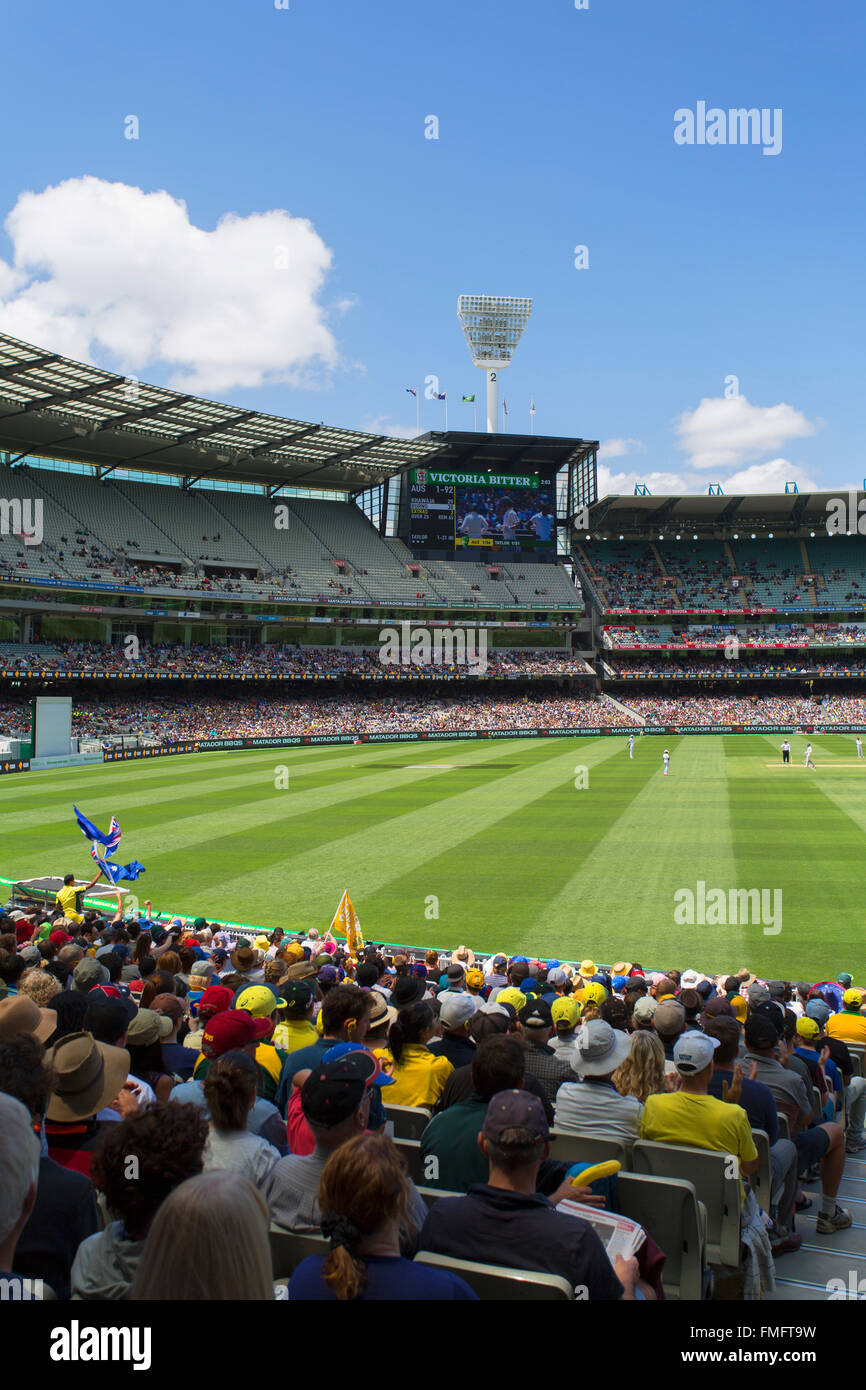
The Walking Wounded of Melbourne
To understand the magnitude of Melbourne, 1981, one must reckon with the sheer toxicity and physical toll that preceded that final morning. The match had already entered folklore for all the wrong reasons during India’s second innings. Gavaskar, adjudged LBW to Dennis Lillee off what he was adamant was a thick inside edge, had exploded in fury, ordering his opening partner Chetan Chauhan off the field in an attempted forfeit that nearly derailed the entire tour.
Manager Wing Commander Shahid Durrani intervened near the boundary rope, persuading Chauhan to resume his innings and narrowly averting an international diplomatic crisis. Chauhan batted with grim resolve to make 85, guiding India to 324 and setting Australia 143 for victory.
On paper, 143 was an afternoon stroll for an Australian lineup boasting Kim Hughes, Allan Border, Doug Walters, and Rod Marsh. For an Indian attack operating without its full complement of bowlers, it looked unattainable. Kapil had managed just two overs at the start of Australia's chase before pulling up lame, clutching his thigh and groin in visible agony. India’s dressing room resembled a field hospital, with ice packs, compression bandages, and local anaesthetic sprays scattered across the floor.
Target 143 and Ghavri’s Opening Salvo
The embers of hope were initially stoked on the fourth evening by Mumbai all-rounder Karsan Ghavri. Bowling with fierce rhythm and utilizing the lengthening shadows across the MCG, Ghavri produced a spell of left-arm swing that set Australian nerves jangling.

Ghavri had John Dyson caught behind by Syed Kirmani, and then delivered the ball of the match: a deceptive, late-curling delivery that breached Greg Chappell's defenses before the Australian captain had scored, sending his stumps cartwheeling. In the ensuing panic, Graeme Wood was run out following a disastrous mix-up. Australia stumbled into stumps at 24 for 3.
The door was ajar, but Australia still required just 119 runs with seven wickets in hand. Allan Border and Kim Hughes were at the crease, two world-class batsmen well capable of knocking off the target in a single session. Without a cutting edge with the ball, India’s fairy tale would evaporate within the first hour of Day 5. In the dressing room that night, Kapil Dev looked Gavaskar in the eye and made a promise: inject the groin, strap it tight, and give him the ball.
Painkillers, Strapping, and the Final Morning Gamble
The team doctor administered heavy painkilling injections directly into Kapil's groin on Wednesday morning. The young all-rounder spent nearly forty minutes stretching tentatively in the pavilion, the joint heavily bound with medical tape to restrict the muscle tear from ripping further.
When Kapil took the ball at the Southern Stand End, the MCG crowd witnessed a marvel of bowling discipline. Denied his full, elastic run-up, Kapil shortened his approach by three paces. Instead of relying on brute hip-drive, which aggravated the torn groin, he pivoted entirely on an upright, classical front-on release, using the seam of the ball and the deteriorating cracks on the MCG turf to do the damage.

He didn't search for sheer velocity. Instead, Kapil found a vicious, metronomic line outside off stump, cutting the ball both ways off the seam at a skidding, uncomfortable pace. Kim Hughes was the first to realize that Australia were facing an entirely different beast. Flummoxed by Kapil’s nagging line, Hughes chased a ball that held its line and edged behind to Syed Kirmani for 15. The scoreboard read 40 for 4, and the MCG went silent.
The Carnage: Kapil’s 5 for 28 and the Australian Collapse
The dismissal of Hughes opened the floodgates for one of the most ruthless spells in Indian cricket history, with Kapil bowling unchanged from his end.
Dilip Doshi, bowling through severe pain from his fractured foot, struck a vital blow at the other end. Allan Border, renowned as Australian cricket’s ultimate fighter, prodded at a turning delivery and was snapped up brilliantly by Chetan Chauhan at short leg for 9, leaving Australia reeling at 49 for 5.
With Border back in the pavilion, Kapil seized absolute control of the contest:
- Doug Walters (18): Beaten by an exquisite, rapid cutter that jagged back through the gate and clean bowled him.
- Rod Marsh (11): Had his off-stump uprooted by a peach of a delivery that beat him comprehensively for pace.
- Geoff Lawson (0): Trapped dead in front of his stumps first ball by a sharp, skidding inducker to fall LBW.
After Doshi had Ray Bright caught behind by Kirmani for 11, Kapil delivered the coup de grâce. Charging in on raw adrenaline, he castled last man Jim Higgs for a duck, sending the bails flying and sealing Australia's total at a staggering 83 all out in 34.4 overs.
Kapil finished the morning with sensational figures of 16.4 overs, 4 maidens, 5 wickets for 28 runs—having removed Hughes, Walters, Marsh, Lawson, and Higgs through sheer force of will. India had won by 59 runs, registering their first Test victory on Australian soil in over three years and squaring the series 1-1 against all odds.
The Legacy of India’s Greatest Overseas Escape
The Miracle of Melbourne was more than just a famous victory; it was a watershed moment for Indian self-belief on foreign soil. Prior to February 1981, Indian overseas victories were largely treated as rare occurrences, heavily reliant on spin-friendly tracks.
At the MCG, an Indian fast bowler—nursing an injury that would have kept most modern players on the sidelines for weeks—out-bowled, out-thought, and out-fought the Australians on their own turf.
Kapil’s 5 for 28 laid the psychological blueprint for everything that followed: the 1983 World Cup triumph at Lord's, the World Championship of Cricket victory down under in 1985, and decades later, the fabled 2021 breach of the Gabba. When Kapil Dev limped back up the MCG pavilion steps holding the match ball aloft, he hadn't merely saved a Test match—he had taught Indian cricket how to fight from the brink of oblivion.
If this kind of cricket writing is your thing, we publish weekly at The Pavilion. Drop us a line at contact@kapil.dev.
Related Reading
- Ironman of Indian Cricket: The Biomechanics and Workload Behind Kapil Dev's Injury-Free 131 Tests
- Defending 183: A Tactical Anatomy of Kapil Dev's Captaincy in the 1983 World Cup Final
- Four Consecutive Sixes: The Anatomy of Kapil Dev's High-Stakes Lord's Gamble in 1990
- Why the Cover Drive Is the Most Photographed Shot in Cricket